Local Escape Rooms: How to Avoid Stereotypes and Build Local Flavor Escape Rooms
Zum Hauptinhalt springen
Möchten Sie ein kostenloses Beratungsgespräch über Ihr Escape-Room-Geschäft führen?
Wählen Sie ein Zeitfenster
Möchten Sie ein kostenloses Beratungsgespräch über Ihr Escape-Room-Geschäft führen?
Wählen Sie ein Zeitfenster
Home > Local Escape Rooms: How to Avoid Stereotypes and Build Local Flavor Escape Rooms
Published date: 24.12.2025
Modified date: 24.12.2025
Autor: INDESTROOM

Warum Ihr „Ägypten“-Thema in Kairo gescheitert ist – und wie man Lokalisierung richtig umsetzt

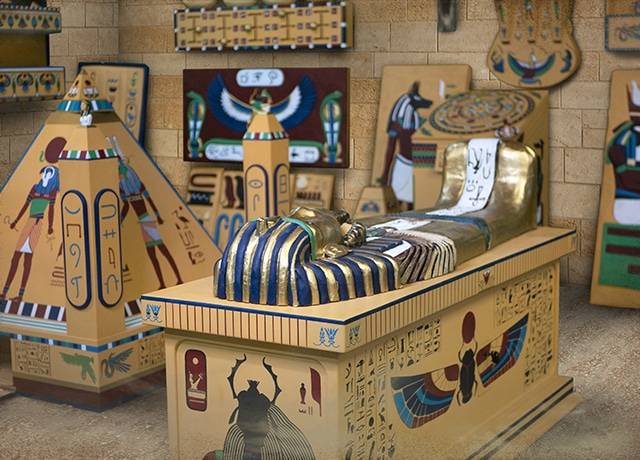
You launched an “Ancient Egypt” escape room in Cairo. Hieroglyphs on the walls, golden sarcophagi, a mummy in the corner. Sounds perfect, right?

Yet locals weren’t booking. Reviews called it “cartoony,” “touristy,” or worse — “offensive.” Meanwhile, a modest room down the street themed around a 1950s Cairo detective story is sold out for weeks.

What went wrong? You didn’t fail at design. You failed at localization.

In the global escape room industry, cultural authenticity isn’t a luxury — it’s a competitive necessity. Today’s players, especially in culturally rich markets like Egypt, Mexico, Japan, or Saudi Arabia, don’t want imported clichés. They want local flavor escape rooms that reflect their history, humor, and identity — with respect and nuance.
Warum Ihr „Ägypten“-Thema in Kairo gescheitert ist – und wie man Lokalisierung richtig umsetzt

The Trap of “Export-Ready” Stereotypes

Many Western-designed escape rooms treat foreign cultures as theme park backdrops: pyramids = Egypt, dragons = China, sombreros = Mexico. This “escape room stereotyping” might work for tourists in Paris or Orlando — but it backfires locally.

In Cairo, ancient Egypt is taught in schools, debated by historians, and woven into daily identity. Reducing it to treasure hunts and cursed pharaohs feels reductive — even colonial. Locals crave stories that speak to their lived reality:
  • A Cold War-era spy thriller set in 1960s Alexandria
  • A puzzle-solving adventure through a bustling Khan el-Khalili souk
  • A family-friendly mystery in a Cairo apartment during Eid

These concepts resonate because they’re specific, contemporary, and human — not extracted from a Hollywood archive.

How to Build Truly Local Escape Rooms

Der häufigste Fehler, den ein Betreiber machen kann, ist, einen starren, einheitlichen Zeitplan für Aktualisierungen vorzuschreiben. Ein Quizraum in einem belebten städtischen Touristenviertel weist ein grundlegend anderes Besuchermuster auf als einer in einem Familienunterhaltungszentrum in einem Vorort. Ihre Inhaltsstrategie muss so einzigartig sein wie Ihr Geschäftsmodell.

Schauen wir uns die wichtigsten Variablen einmal genauer an:

Co-Create with Local Talent

Don’t just translate puzzles — collaborate with local writers, historians, or artists. In Saudi Arabia, for example, a room based on Najdi architecture or Red Sea pearl diving will feel more authentic than generic “desert adventure” tropes.

Avoid Sacred or Sensitive Symbols

Using religious texts, burial rituals, or national icons as decor or puzzles can alienate or offend. Always consult local cultural advisors — especially for local escape rooms for kids, where parents are highly protective of values.

Embrace Modern + Historical Fusion

In Tokyo, a room blending Edo-era riddles with neon-drenched Shibuya aesthetics outperforms pure “samurai” themes. Similarly, a local escape room in Dubai might mix Bedouin navigation puzzles with smart-city tech.

Test with Local Focus Groups

Before launch, invite local players (not your staff!) for a beta test. Ask: “Does this feel like our story?” If they laugh at the wrong moments or seem uncomfortable, you’ve missed the mark.

The Business Case for Localization

Localized escape rooms drive:
  • Higher repeat visits (locals feel seen)
  • Stronger word-of-mouth in tight-knit communities
  • Partnerships with schools, museums, or tourism boards
  • Premium pricing — authentic experiences justify higher tickets

One operator in Mexico City saw a 65% increase in local bookings after replacing a “Day of the Dead” cliché room with a puzzle based on Frida Kahlo’s coded diaries — developed with a local art historian.

Indestroom’s Approach: Global Tech, Local Soul

At Indestroom, we build fully customizable, modular escape rooms — not just “copy-paste” exports. Our system supports:
  • Swappable narrative layers (keep the same tech, change the story)
  • Region-specific audio, visuals, and props
  • Integration of local language, music, and cultural cues

Because the future of escape rooms local isn’t about where they’re built — it’s about who they’re built for.

Abschließender Gedanke

A successful local escape room doesn’t just take place in a city — it belongs to it. Ditch the stereotypes. Dig deeper. And remember: the most powerful mystery isn’t hidden in a pharaoh’s tomb — it’s in the everyday stories of the people who live there.

Ready to build an escape room that resonates — locally and globally? Let’s craft an experience that locals proudly call their own.
Published date: 24.12.2025
Modified date: 24.12.2025
Autor: INDESTROOM

Bewertung: 4,95
WEITERE INTERESSANTE ARTIKEL LESEN
loading="lazy"

Ein Escape Room ist ein Spiel für ein Team, in dem Sie und Ihre Teamkollegen vor der Herausforderung stehen, versteckte Escape Room-Hinweise zu entdecken, die dabei helfen können, gemeinsame...

loading="lazy"

Escape Rooms sind ein interessanter Zeitvertreib für jedermann. Sie bestehen aus einer Reihe von Spielern, einem Raum voller Rätsel und einem spannenden Szenario, in dem ein Spieler den Schlüssel zu...
loading="lazy"

Aus unerklärlichen Gründen sind Escape Rooms nicht nur bei jungen Leuten beliebt, die an einem Samstagabend ein aufregendes Erlebnis suchen, sondern...

loading="lazy"

Die Escape-Room-Industrie ist relativ neu. Vor 15 Jahren entstand sie in Japan und fand Anfang der 2010er Jahre ihren Weg auf die westlichen und östlichen Märkte...