
The Art of Pacing: How to Structure Your Escape Room’s Difficulty Curve
In today’s competitive family entertainment landscape, a great escape room isn’t just about clever puzzles or immersive decor. It’s about how the experience feels from the moment players step inside to the final countdown.
Too hard too soon? Families feel overwhelmed.
Too easy throughout? Guests leave underwhelmed.
But get the pacing just right — and you create a journey that feels challenging, fair, and deeply satisfying.
This invisible rhythm is called the difficulty curve, and it’s one of the most powerful (yet overlooked) tools in escape room design. When structured well, it guides players through a natural emotional arc: from curiosity to confidence, tension to triumph.

Why Pacing Matters More Than Puzzle Complexity
- A room that starts with a cryptic cipher can shut down teamwork before it begins.
- A flat difficulty curve leads to boredom, especially for mixed-age groups.
- But a well-paced game creates flow — that sweet spot where challenge matches skill, and time seems to disappear.
In this entertainment, emotional payoff beats intellectual difficulty every time. Your goal isn’t to stump players — it’s to make them feel capable, connected, and clever.

The 4-Phase Difficulty Curve for Maximum Engagement
Phase 1: The Confidence Builder (0-10 minutes)
- Use intuitive, tactile puzzles (e.g., matching symbols, finding hidden objects, opening a simple lock)
- Ensure the first solve happens within 3–5 minutes — this builds momentum and reassures guests they’re on the right track
- Avoid abstract logic or multi-step riddles here
Phase 2: The Engagement Zone (10-35 minutes)
- Introduce layered clues that require communication (e.g., “You see the code, you input it!”)
- Mix puzzle types: visual, auditory, physical, and light digital interaction
- Alternate between individual “aha!” moments and group tasks to keep all players involved — especially kids
Phase 3: The Climax Challenge (35-50 minutes)
- Use a meta-puzzle that combines earlier clues into a final breakthrough
- This is where your hint system becomes critical: a well-timed nudge prevents frustration without robbing players of victory
- Design for role delegation so everyone has a part to play
Phase 4: The Victory Moment (50-60 minutes)
- Trigger a clear win signal: lights, music, door unlock, or confetti
- Tie the finale to your story (“You saved the museum!”) for emotional resonance
- Make it photo-ready — this moment fuels social sharing and word-of-mouth

5 Common Pacing Pitfalls (and How to Fix Them)
Fix: Save complex logic for Phase 2 or 3. Start with confidence, not confusion.
The Monotony Middle
Fix: Vary puzzle mechanics — don’t stack five lockboxes in a row. Rotate between physical, visual, and digital challenges.
The False Finish
Fix: Use clear narrative cues: “Now find the master key to stop the countdown!” so players know the game isn’t over.
The Rushed Finale
Fix: Test with average groups. If the climax starts after minute 45, simplify earlier puzzles or adjust timing.
Ignoring Age Diversity
Fix: Design tiered challenges — e.g., a simple version for kids, a harder layer for adults — so no one feels left out.

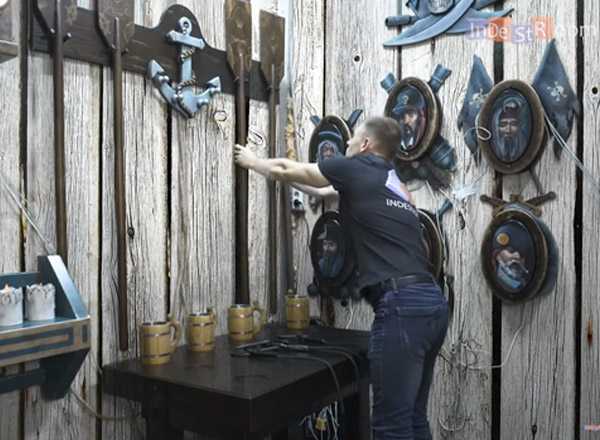
There are lots of requirements for an escape room to be good. It doesn’t matter whether there are great puzzles and decoration if a theme was chosen poorly…
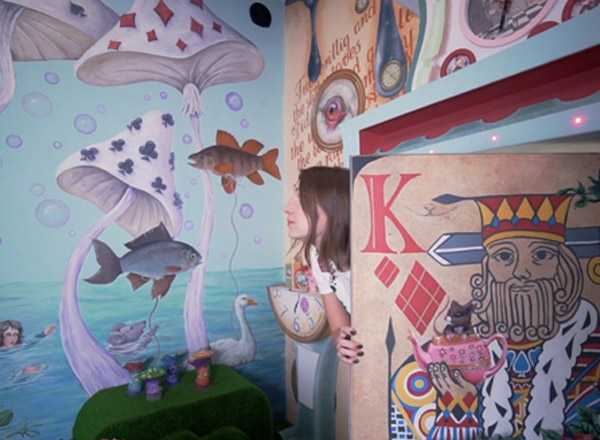
An escape room is a game for a team in which you and your teammates face challenges discovering hidden escape room clues that may help to solve common escape…

Escape rooms are an interesting pastime for anyone. They feature a number of players, a room full of puzzles and an exciting scenario, where one player has to find the key to…

For some inexplicable reasons escape rooms have become popular, not only among young people, looking for a thrilling experience on a Saturday night, but…

The escape room industry is relatively new. 15 years ago it emerged in Japan and made its way into the Western and Eastern markets in the early 2010s…