
Escape rooms as a tool for developing soft skills:
communication, teamwork, critical thinking
In the modern workplace, technical expertise is no longer enough. Project success increasingly hinges on soft skills — the ability to communicate effectively, collaborate seamlessly, and think creatively. But how can you develop these crucial qualities in a way that is both effective and engaging? The answer might surprise you: the ultimate training ground is an escape room for team building.
Far from mere entertainment, escape rooms are powerful tools for corporate development. They mirror real-world workplace challenges, forcing teams to perform under pressure with limited time and resources. Whether it’s a classic live escape room or a virtual escape room for team building, this immersive experience can significantly enhance your team’s key competencies.

How Escape Rooms Develop Key Soft Skills
Communication: The Art of Clarity Under Pressure
Articulate Clearly: Finding a clue is only half the battle. Team members must explain what it means and how it connects to other puzzles.
Listen Actively: Success depends on hearing and building upon a colleague’s idea, not just waiting for your turn to speak.
Share Information Transparently: Escape rooms teach brevity and precision — a critical skill for workplace chats, emails, and meetings.
A classic example: one player finds a code but dismisses it as unimportant and doesn’t speak up. The team wastes precious minutes solving the wrong puzzle. The lesson? Constant, transparent communication is the key to victory.
Teamwork & Collaboration: One for All, and All for One
Mutual Trust: Participants learn to delegate tasks and rely on each other’s strengths.
Shared Responsibility: Victory or defeat is a collective outcome. This incentivizes team members to help those who are stuck.
Synergy: The group experiences firsthand that together, they can solve puzzles that would be impossible alone.
These escape room activities for team building simulate the dynamics of effective collaboration — under pressure and with clear goals.
Critical and Logical Thinking: Analyze, Don’t Assume
Analysis & Synthesis: Disparate clues must be gathered and assembled into a coherent picture, separating vital information from distracting “noise.”
Logical Reasoning: Players build cause-and-effect chains: “If we place this key under the UV light, it might reveal a hidden map.”
Creative Problem-Solving: When the obvious path fails, lateral thinking kicks in — the ability to find non-obvious connections and solutions.
This skill is invaluable for driving innovation, strategic planning, and troubleshooting complex business problems.

The Business Benefits: What Your Company Gains
Increased Engagement: Employees appreciate innovative and fun development formats, boosting morale and job satisfaction.
Stronger Bonds & Trust: Overcoming a challenging adventure together builds camaraderie more effectively than dozens of formal meetings.
Leadership Identification: The game-like environment allows hidden leaders and problem-solvers to naturally emerge.
Positive Cultural Impact: A shared, positive experience creates lasting memories and becomes a cornerstone of a strong company culture.
These benefits of escape rooms go far beyond a single event — they translate into real-world improvements in communication, collaboration, and innovation.

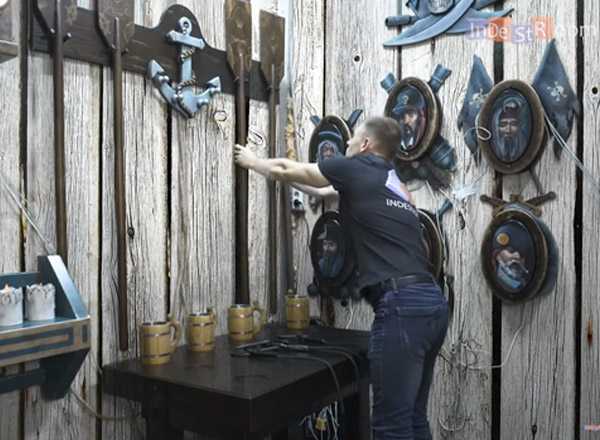
There are lots of requirements for an escape room to be good. It doesn’t matter whether there are great puzzles and decoration if a theme was chosen poorly…
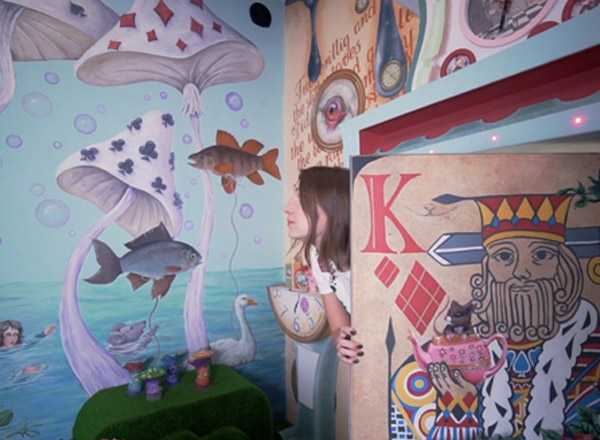
An escape room is a game for a team in which you and your teammates face challenges discovering hidden escape room clues that may help to solve common escape…

Escape rooms are an interesting pastime for anyone. They feature a number of players, a room full of puzzles and an exciting scenario, where one player has to find the key to…

For some inexplicable reasons escape rooms have become popular, not only among young people, looking for a thrilling experience on a Saturday night, but…

The escape room industry is relatively new. 15 years ago it emerged in Japan and made its way into the Western and Eastern markets in the early 2010s…