Hands-On Science Exhibits for a Planetarium | Indestroom Case Study
Skip to main content
Want to have a free consultation about your escape room business?
Choose a time-slot
Want to have a free consultation about your escape room business?
Choose a time-slot

Science exhibits for a planetarium · Case study

Hands-On Science Exhibits for a Planetarium: 6 Interactive Experiments

Physics is easier to understand when you run the experiment yourself. For a planetarium we designed and built six hands-on science exhibits that turn laws of nature into something visitors can see, hear and touch.

Project scope

6

interactive exhibits

6

questions about physics and space

Design + build

from idea to working exhibit

All ages

families and school classes

Location and client under NDA.

The challenge

Make physics something you can feel, not just read about. A visitor cannot launch a rocket into space, but can run the same experiment at table scale.

What we did

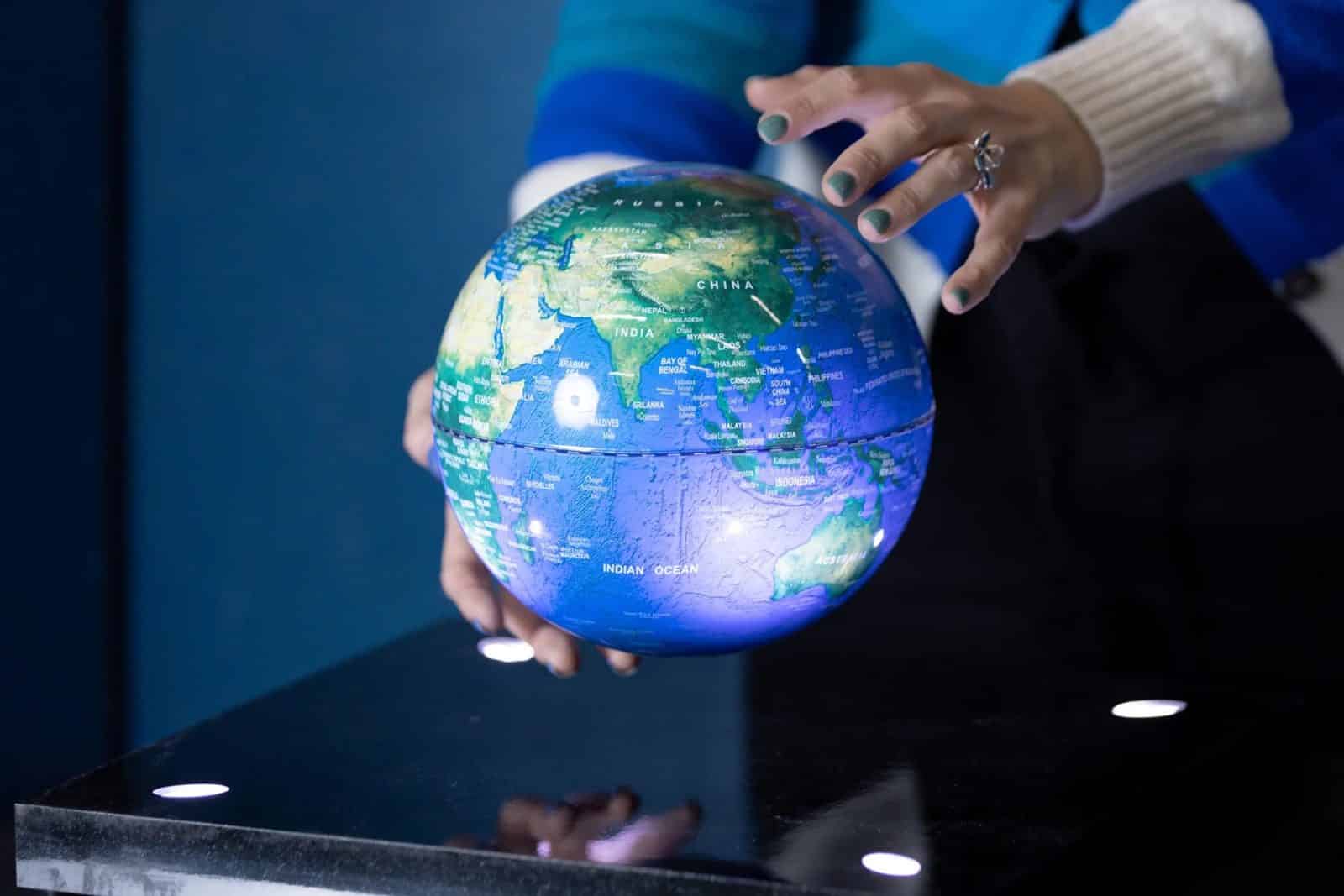
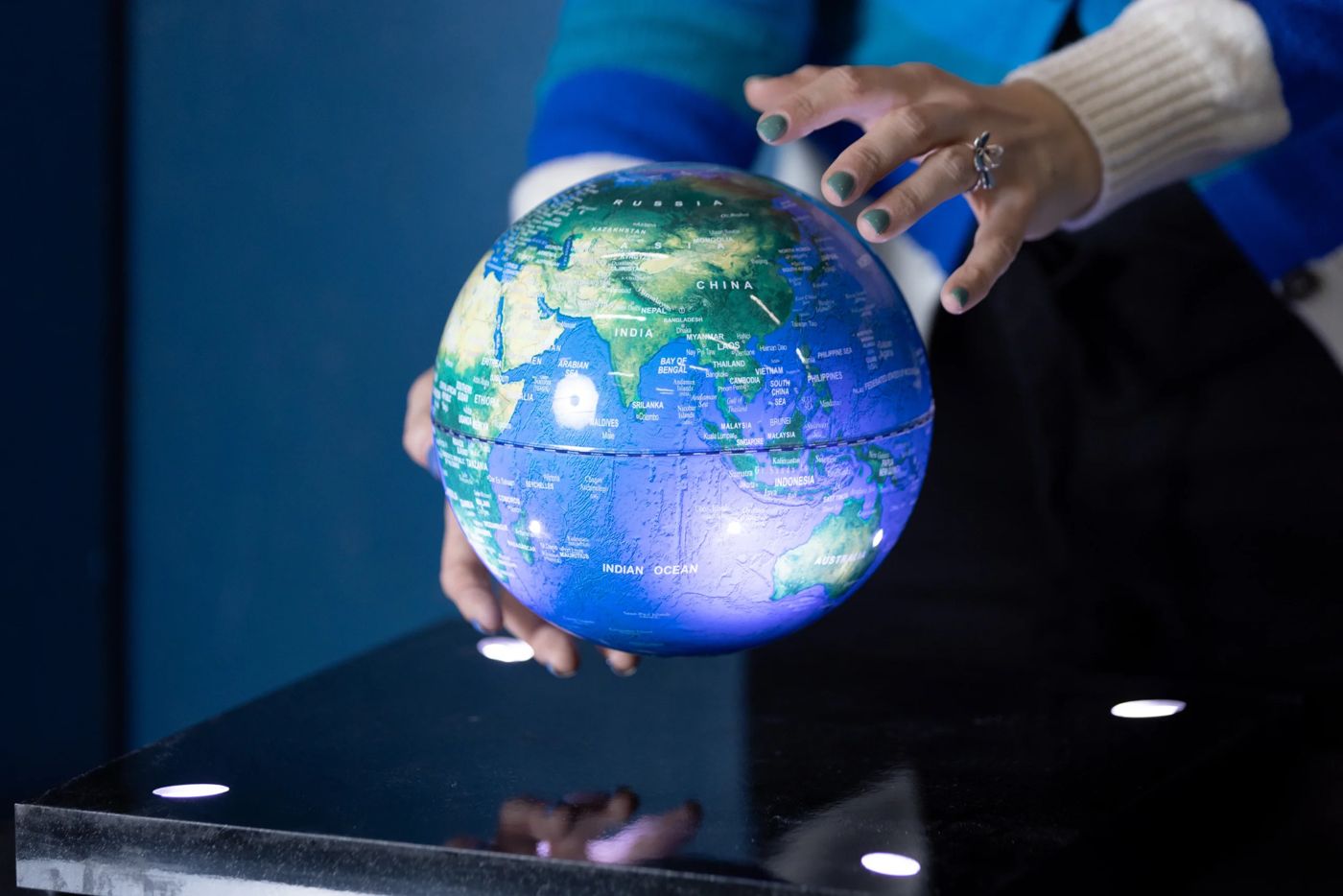
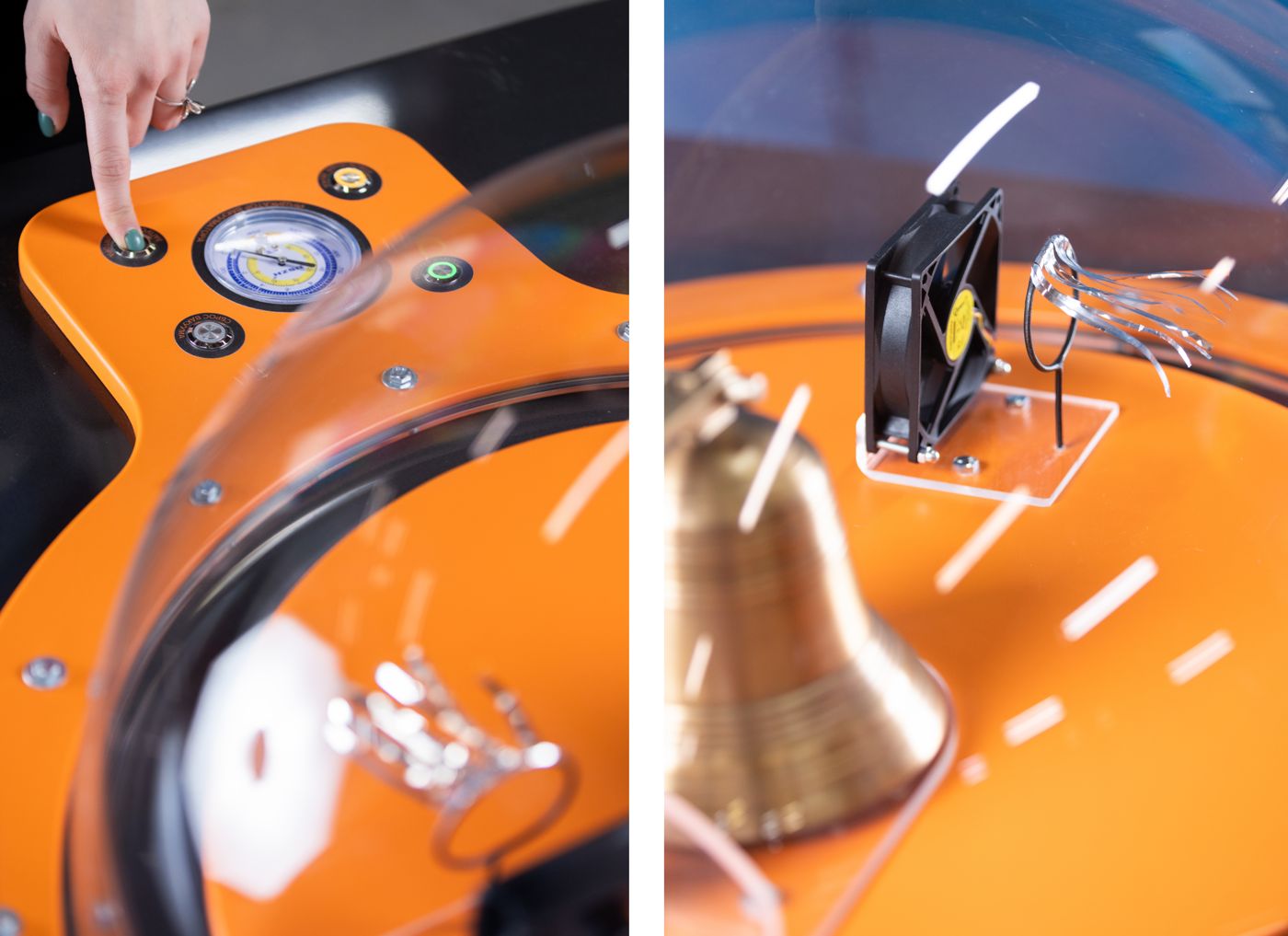
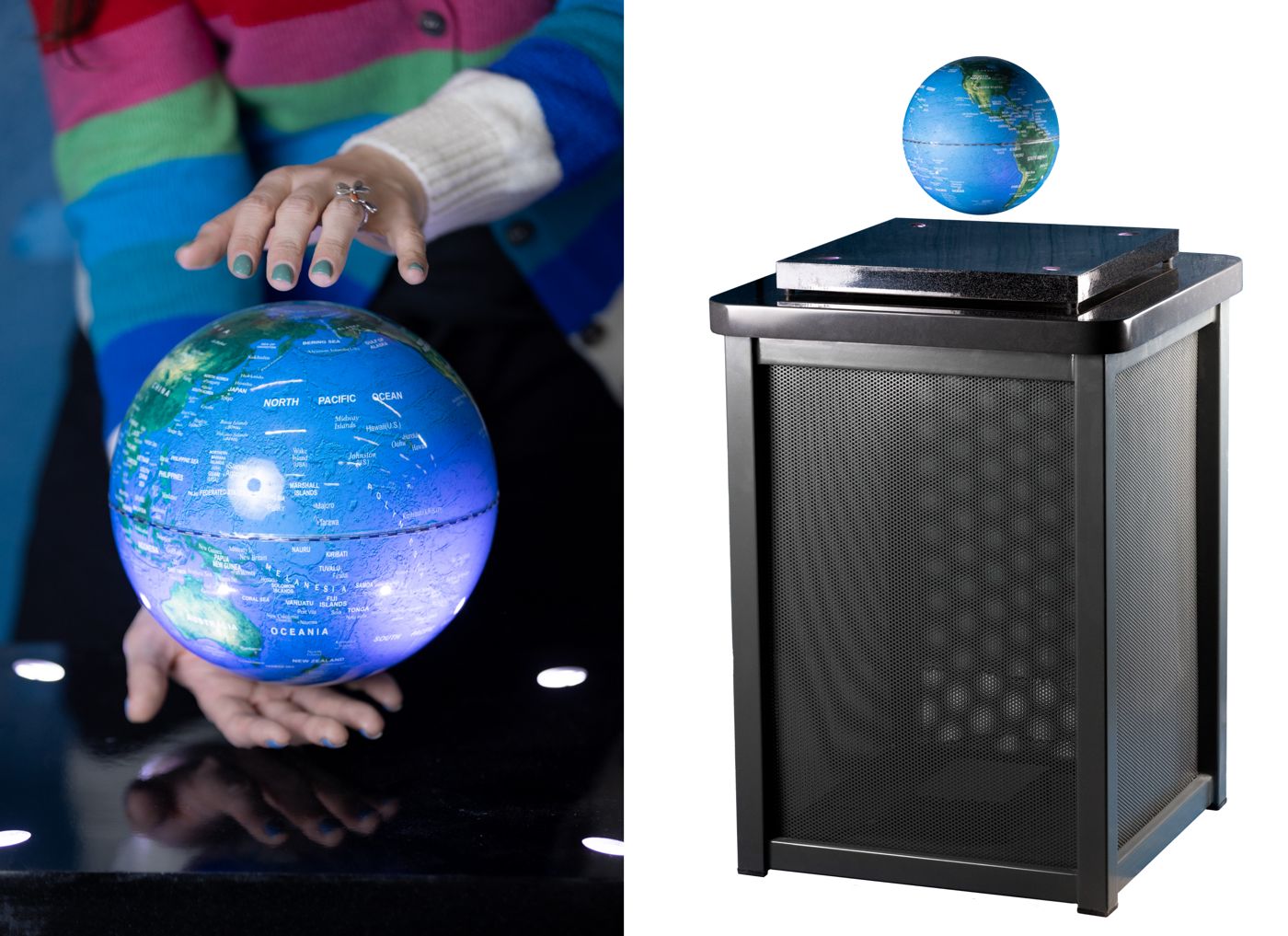
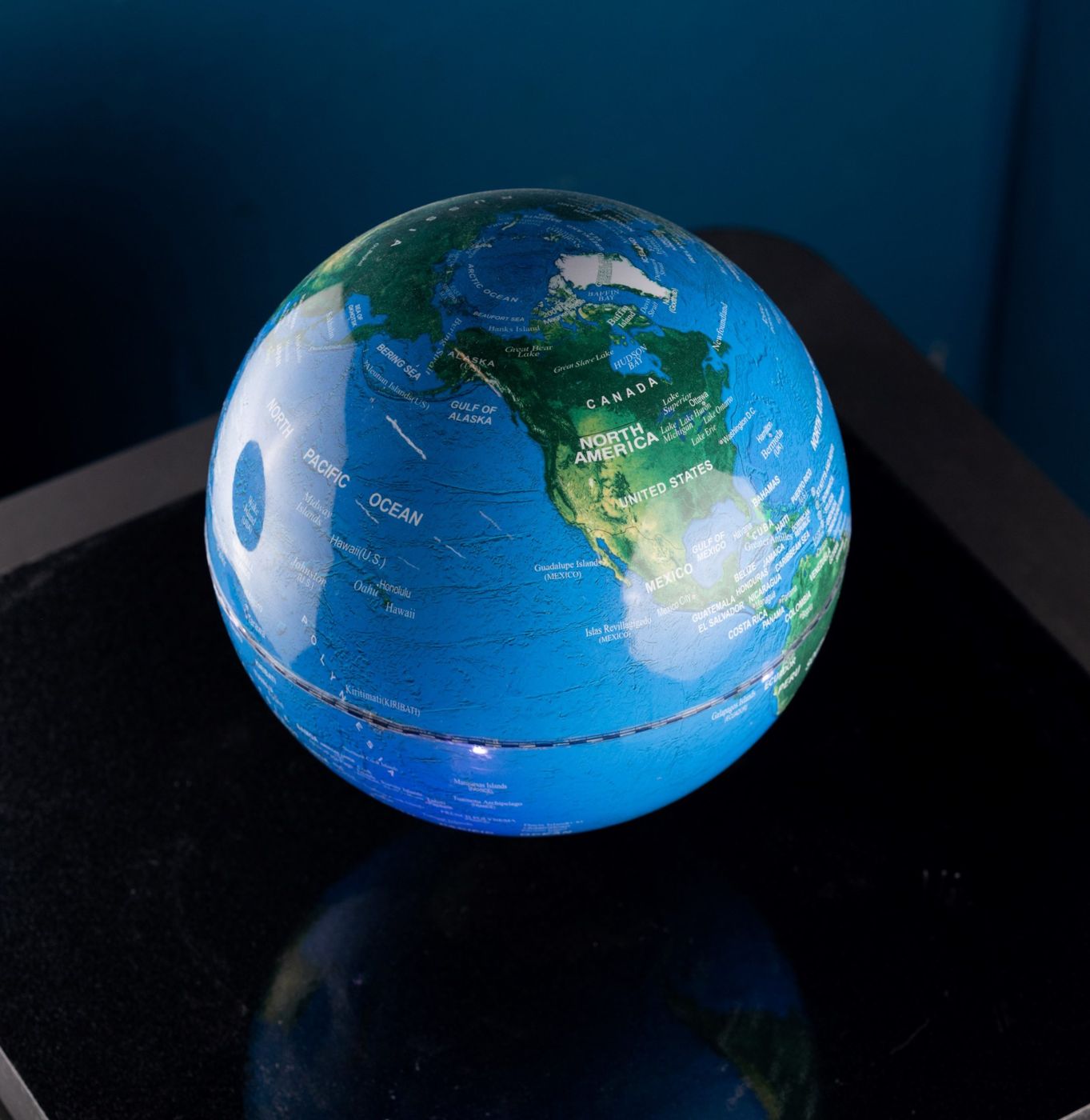
Six interactive science exhibits, each built around one question: a Van de Graaff generator to touch a real high-voltage spark safely; a levitating magnetic globe that floats in the air; “Sound in a vacuum”, where a ship’s bell falls silent as the air is pumped out from under a dome; “Island of light” with prisms, lenses, a mirror and a diffraction grating; a hydrogen rocket launched by one button; and a moving Sun, Earth and Moon model of the year and the day.

For whom: Families, school classes, science centres and planetariums.

Six exhibits, six questions

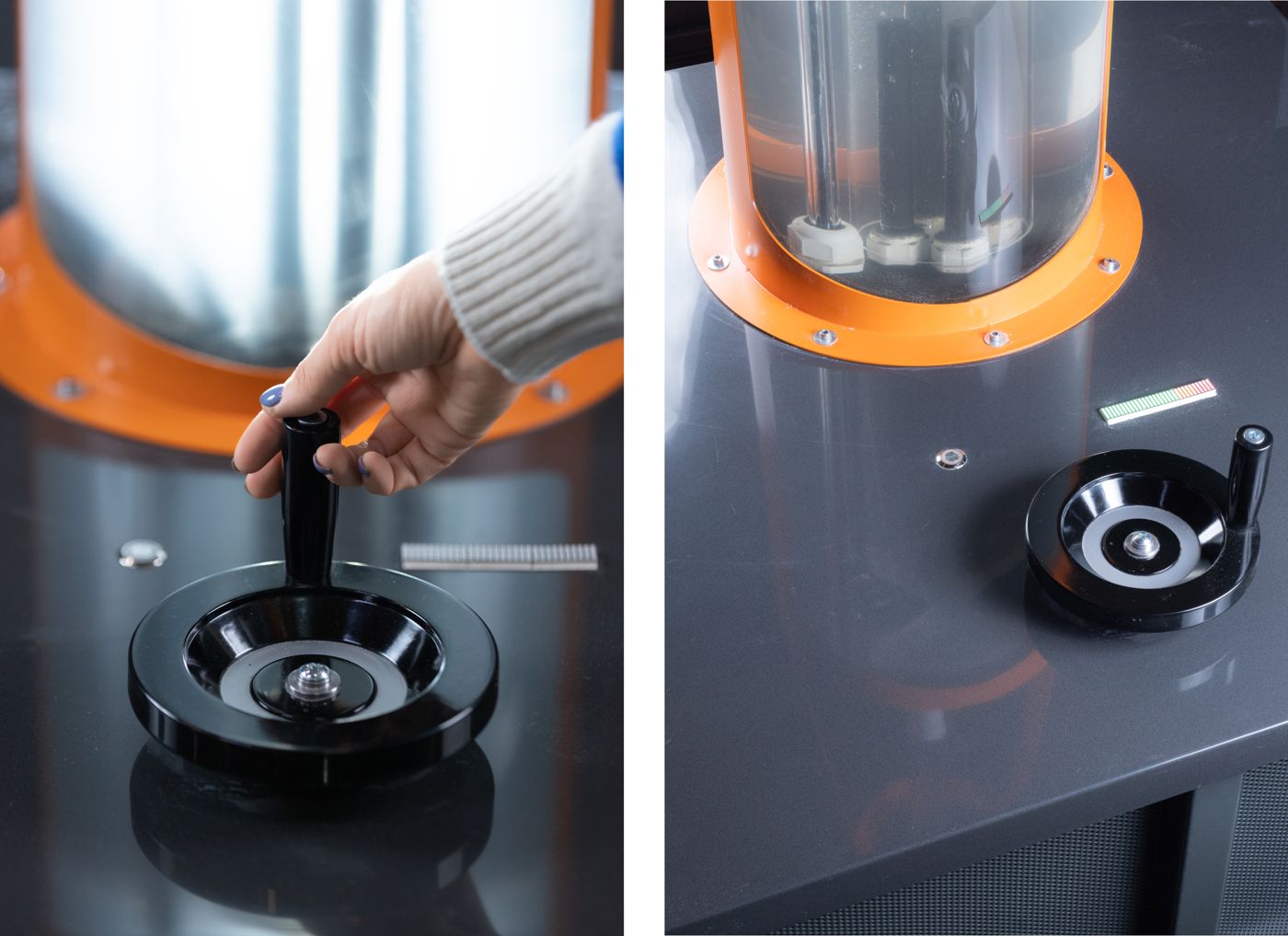
How does an electric discharge form?

A Van de Graaff generator: a belt runs inside a tube and charges a stainless-steel sphere. Visitors bring a conductive wand close and see a real high-voltage spark, safely.

How can the Earth float in the air?

A levitating magnetic globe shows how an electromagnetic field holds an object in the air without touching anything.

Can you hear sound in a vacuum?

Press a button and the air is pumped out from under a dome. A ship’s bell falls silent, then rings louder as the pressure comes back.

How does light behave?

The “Island of light” table with prisms, lenses, a mirror and a diffraction grating lets visitors explore reflection, refraction, diffraction and interference.

How does a rocket take off?

A model rocket on hydrogen fuel: electrolysis, an ignition coil and one launch button show the principle behind a real space launch.

Why do the seasons change?

The “Sun, Earth, Moon” model shows the Earth’s yearly orbit around the Sun and its daily rotation.

Photos

Hands-On Science Exhibits for a Planetarium: 6 Interactive Experiments, photo 1
Hands-On Science Exhibits for a Planetarium: 6 Interactive Experiments, photo 2
Hands-On Science Exhibits for a Planetarium: 6 Interactive Experiments, photo 3
Hands-On Science Exhibits for a Planetarium: 6 Interactive Experiments, photo 4
Hands-On Science Exhibits for a Planetarium: 6 Interactive Experiments, photo 5
Hands-On Science Exhibits for a Planetarium: 6 Interactive Experiments, photo 6

Want something like this?

Send us the space, the audience and the theme. We will come back with questions and a first idea.