
Why Hybrid Quests Win: Blending Live Performance, Digital Magic & Hands-On Puzzles
In today’s experience-driven economy, audiences no longer want to watch — they want to participate, influence, and belong. This shift has given rise to a powerful new format: the hybrid quest.
A hybrid quest is an immersive narrative experience that seamlessly integrates live human performance, digital interactivity, and physical problem-solving into a single, responsive journey. It’s not theater. It’s not gaming. It’s not an escape room 2.0. It’s a new category — one where story, technology, and human presence converge to create something greater than the sum of its parts.

Stop Guessing: A Simple Strategy for Refreshing Quiz Room Content
Live Performance
Digital Interactivity
Physical Engagement
When these elements are thoughtfully synchronized, the result is deep immersion — where players forget they’re “in an experience” and feel they’re truly inside a story.

Why Hybrid? The Cultural Shift Toward Co-Creation
- Gamers expect agency and consequence (e.g., branching narratives in Detroit: Become Human).
- Theatergoers seek intimacy and interactivity (as seen in Sleep No More or Punchdrunk productions).
- Museums and heritage sites are moving from static displays to participatory storytelling.
- Corporate and educational sectors increasingly use scenario-based simulations for training and learning.
Hybrid quests meet this demand by offering structured freedom: a guided narrative with room for personal impact. Mistakes aren’t failures — they’re opportunities to uncover new story paths.

Where Hybrid Quests Are Making an Impact
- In education, students solve historical mysteries using period-accurate tools and digital archives, guided by a live “historian.”
- In corporate training, teams navigate ethical dilemmas with input from AI-driven data and live “stakeholder” actors playing clients or regulators.
- In cultural institutions, visitors “restore” a lost artifact by combining AR clues, physical replicas, and dialogue with a curator character.
- In urban tourism, city-wide quests turn neighborhoods into playable narratives — blending GPS-triggered audio, street performers, and environmental puzzles.
- In healthcare simulation, empathy is built through patient-journey quests where trainees interact with actor-patients and biofeedback systems.
This versatility confirms that hybrid quests are not just an attraction — they’re a platform for meaningful engagement.

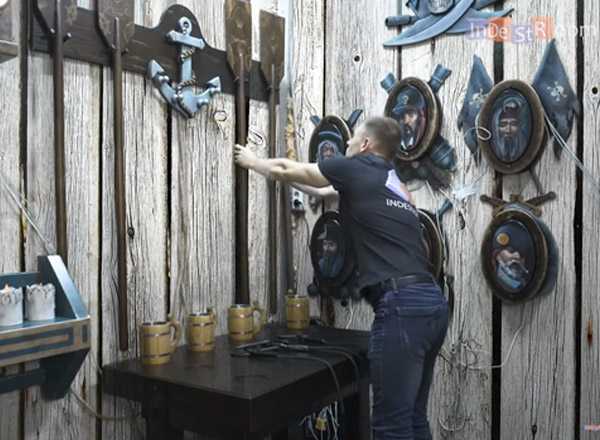
There are lots of requirements for an escape room to be good. It doesn’t matter whether there are great puzzles and decoration if a theme was chosen poorly…
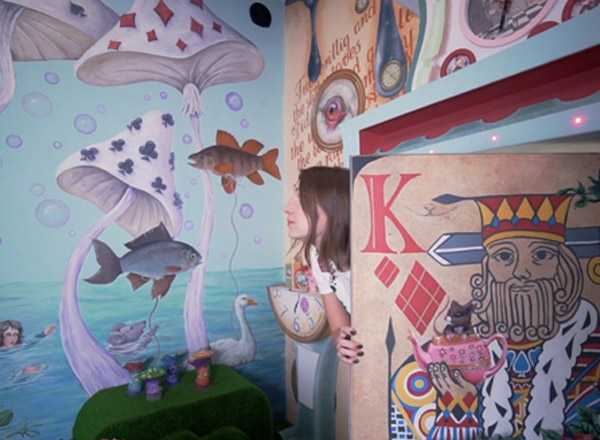
An escape room is a game for a team in which you and your teammates face challenges discovering hidden escape room clues that may help to solve common escape…

Escape rooms are an interesting pastime for anyone. They feature a number of players, a room full of puzzles and an exciting scenario, where one player has to find the key to…

For some inexplicable reasons escape rooms have become popular, not only among young people, looking for a thrilling experience on a Saturday night, but…
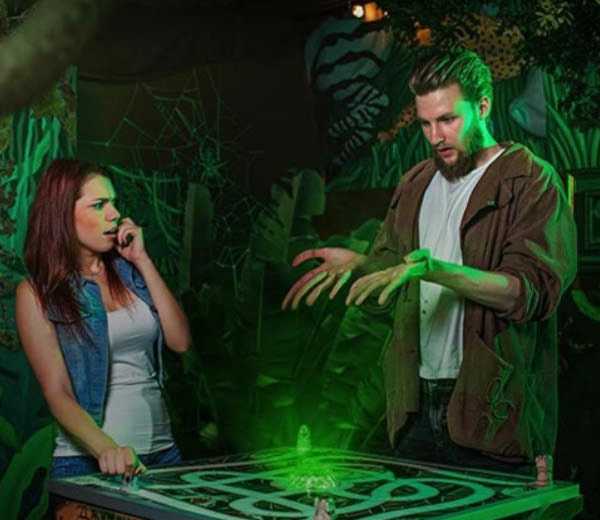
The escape room industry is relatively new. 15 years ago it emerged in Japan and made its way into the Western and Eastern markets in the early 2010s…